JExpedition07
That One Member
Dats right...mmmm mmmmm.....
View attachment 30711
I needed that chuckle this morning


Disclaimer: Links on this page pointing to Amazon, eBay and other sites may include affiliate code. If you click them and make a purchase, we may earn a small commission.
Dats right...mmmm mmmmm.....
View attachment 30711
what happens with the brake line? I assume this is the final flexible rubber line?x 2 on the brake line. This happened on my 03 and 09 expys. You can find a lot of similar stories on here about the front soft lines.
The internal failure is more common than external leaks. And yes after a few seconds it will release the pressure and the wheel will turn probably as good as the other one but every time you hit the wheel it sticks way too long and that will get excessively hot. It will also usually pull to that side.what happens with the brake line? I assume this is the final flexible rubber line?
I've heard of them rupturing & leaking , then you lose brakes.
I've heard of them collapsing inside. You hit brakes and one wheel is delayed due to collapse so you pull to the opposite side then recover back to straight. I think I have that now on my 2003.
Is another failure mode where the caliper is locked ON somewhat?
is that where it collapses inside, you step on brakes and they work fine but fluid doesn't flow easily back out when you let off the pedal so brakes stay on too long. That will only be a temporary situation, right. It will flow back out after you let off pedal?
thanks

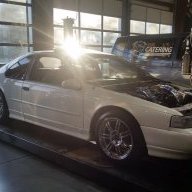
I go pretty cheap on everything but if you are one that doesn't like to skimp then you really shouldn't be doing just one side of your brakes. Most will recommend to always replace front pads left and right at the same time and many will also recommend always turning both rotors or replacing both rotors at the same time. Some will go even further and this is where I start to disagree with the mechanics who want to rebuild every car to 2017 standards. There's no reason you have to replace both calipers when only one is sticking or has a cracked piston as the plastic ones often do but I can see someone's concern that if one is sticking now it probably won't be but a year or two until the other one might be sticking. This is not always true because often it's the right wheel that messes up first because it goes through far more puddles and water and salt and nasty stuff on the right side of the road then left wheel does.
I never replace any brake hose until it is damaged or causing the caliper to hang up and stick. Most mechanics Pollo this idea also but there are lots of shops that would recommend you replace the hose when you replace the caliper. They do love replacing parts and making that money.
It's easy enough to tell if one is hanging by spinning the tire and having someone push the brake and seeing if it releases and you can turn the wheel soon as they let the pedal come up. If it is a hose sticking it will do it every time. If it is a caliper sticking you can put the wrench on the bleeder screw and when you release the bleeder screw it will release the pressure instantly. When it is the hose it takes a couple seconds for the pressure to subside and it will turn freely by hand pressure.
Hoses are about the least frequent thing to go out or fail. Of all the cars I've owned in my life and all the repairs I've done, I replace brake pads and shoes more than anything else, rotors number two, calipers and brake lines come in as a tie, behind that is the occasional wheel cylinder that needs rebuilt or replaced and then way behind that in last place for needing replaced would be the brake hose. Brake hose has a master cylinders are about a tie in the past 10 years. If you go back about 20 years to 25 years mattress owners didn't last as long I had replaced far more of those than brake hoses. I have rarely seen vehicles that were less than 18 to 20 years old that needed brake hoses replaced. Just not that, no problem. One thing you always want to make sure you don't let the caliper fall or hang from the brake hose. This is a quick way to shorten its life.
Just going from my experiences like yours with calipers. Mine are similar. I have had more than one hang up but they don't stick or fail all that often. It is more commonly the slider pins than the actual caliper piston or pistons.As mentioned above - only 1 side is completed at this point to resolve the issue at hand before potentially making any additional problems or completing standard maintenance. It's not a matter of "skimping" or being cheap but rather addressing the problem first. I've never had a caliper or brake hose fail and as mentioned this is my first Ford SUV/Truck. If you are looking for common problems with Mustangs or Super Charged Thunderbird SC's I could tell you those far better than any repair manual of TSB. Also the reason I posted here - common issues are usually discussed on the forums by enthusiasts.
I also have worked on multiple cars over 20 years, I've built motors, transmissions, differentials... changed brakes more times than I can count. I do not lack knowledge or ability to make the repairs. Also this is the first time I have had a caliper continue to intermittently hang up.
At time of replacement the brake hose was disconnected prior to the caliper being removed, so no hanging weight was applied to the hose. The proper bleeding process was preformed and the wheel spun freely prior to reassembly. One week later it is now back to occasionally hanging up. For instance - hung Saturday - today it did not.
Even though you suggest the brake hose to be the least expected area to fail, others mentioned above it's rather common to fail on Expeditions/F150s.
-Tim