stamp11127
Full Access Members
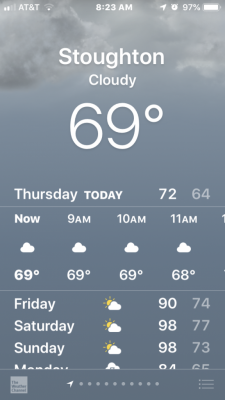
Something to think about. The refrigerators of today also use r134a. Would you be happy with 55 degrees in the box with a house temp of 80? Who wants to drink warm beer?


Disclaimer: Links on this page pointing to Amazon, eBay and other sites may include affiliate code. If you click them and make a purchase, we may earn a small commission.
That is the "non New Yorker" r134a chart. I use a different chart that I call the "Jesus" chart. If my wife hasn't said "Jesus it's cold in here" the a.c. isn't working properly. Plus I'm a transplanted New Yorker.....
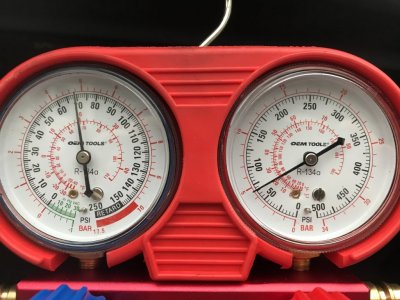
We have the students under charge, normal charge and over charge a system so they can see and hear any differences between them. When we have low side pressures around 37 psi, vent temp is very close to the pressure reading. Then I have them read the evap with a thermister. Usually the evap is around 10 degrees. I ask them to explain why the condensate isn't freezing with that low of a temp.
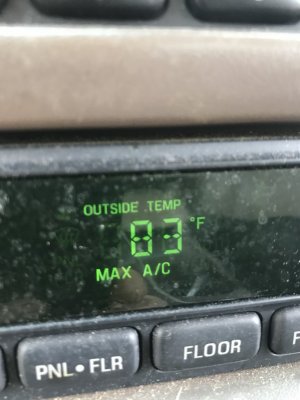
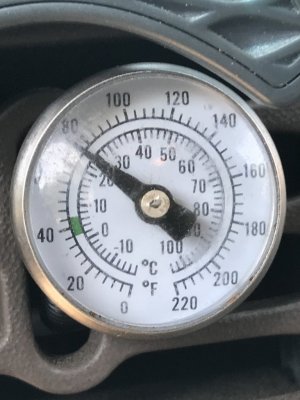
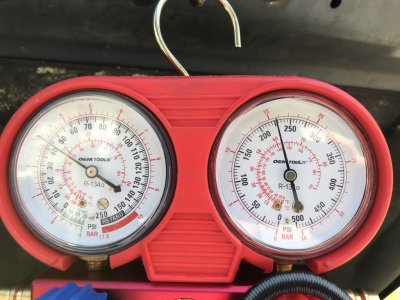
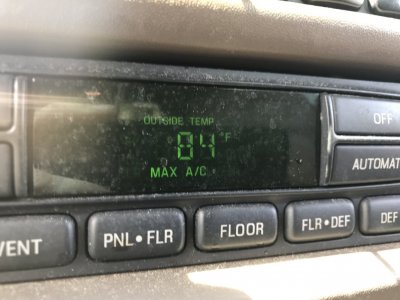
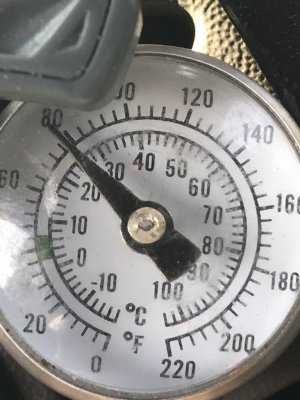
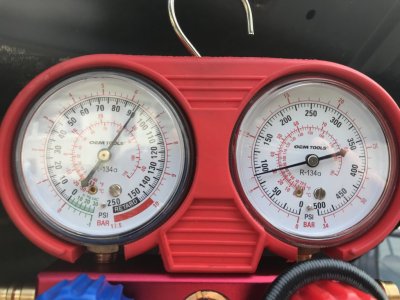
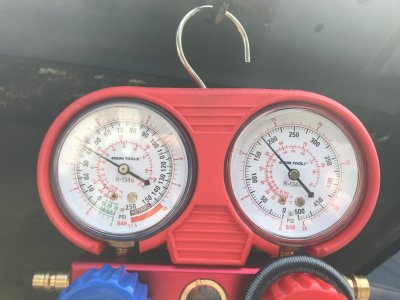
Had to update the photos in last post.Pressures are better, vent temp hasn't changed so that means you have one or two things going on.
1) Evap is dirty and not transferring heat to the refrigerant and cold air to the cabin. Tar from cigs will clog the evap over time. Any smokers own the vehicle in the past?
2) Heat is blending with the cold air raising the vent temp.
When you remove the cabin air filter, if you are able to touch a portion of the evap you will be able to see how cold it is getting when the system is running. This is the redneck finger temp test.
Accumulator and low pressure lines should be cold to the touch and sweating now. Need to check.
What is the rear air doing?
Also need gauge readings with system running and rpms increased. Need to see if the low side is going into a vacuum. Low side should drop some, high side increase some. Wild swings are not good though.
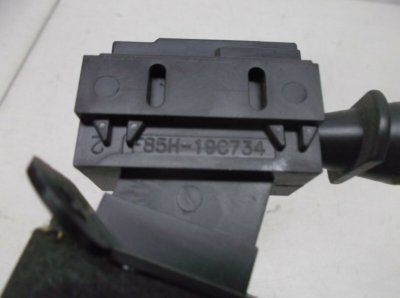
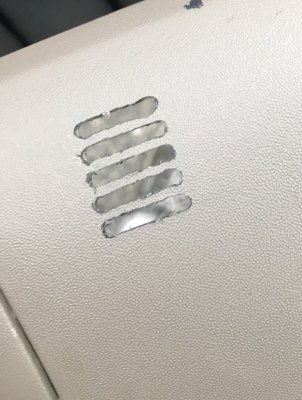
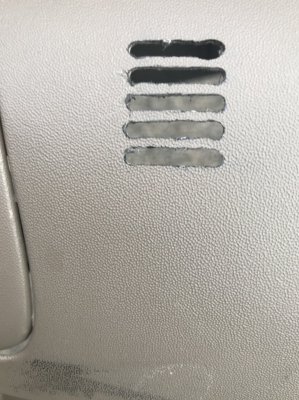
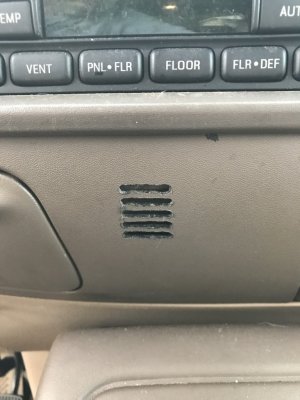
Another thing to check would be the plenum drain. If it is plugged the plenum will fill up with water until it overflows into the cabin. This really kills cooling performance since the evap is in water.
I addressed the drain in 2017 but will look into it. No water in cabin. When I took the filter out it should have been wet right?Another thing to check would be the plenum drain. If it is plugged the plenum will fill up with water until it overflows into the cabin. This really kills cooling performance since the evap is in water.
I'll look at the plenum layout after work and answer your question.I'll look at the plenum layout after work and answer your question.
Also in reply #11 you stated no condensate or dripping but recently said it stopped. Can't have both.
I guess we stop taking readings here now.The evap and lines should be very cold with that pressure reading.
Run the system for 5 minutes. Increase rpms to 2500 and note what the low and high side pressures read. You should see the low pressure drop as the rpms increase, high side should also increase but not a crazy amount.
When you added the refrigerant did you purge the air out of the yellow hose?
All this testing should be on max, windows closed, rear air also running on high.
Take a static pressure reading with the engine cold, ac not run overnight. The pressure should be 3-4 psi above ambient temp on a system that has a full charge. Yours should be lower but still rather close. Static readings are on both the high and low sides, gauges should be close, the low side is more accurate.
Student recharged a Civic today, at idle in the hot sun, low was 44, high was 190. Once the car was moving and the airflow through the condenser increased the vent temp was 38. Low side reading under power was about mid 20's.
You would still get at least some cooling with contaminated refrigerant but the pressures would be off.
I'm still interested in what the rear air is doing plus the static pressure once the engine has cooled off.
If there is air in the system it would need to be evacuated again. I would do that as a last resort since you don't have a recovery machine available.
When you installed the orifice tube did you pay attention to the arrow? Some tubes can be installed backwards.
How much dye did you add?

He is only chasing this because he doesn't have a recycle/recovery machine, did previous work and then stopped. If he did have an R/R then the diagnosis would be quick - unless there was a leak. With those it can take a few hours to find.
And repairs like this can run around $2000+
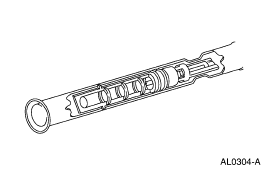
Just to make sure, the colored part of the orifice tube should face the hose end that is open - per Fords Service Manual Climate Control for 1999 Expedition. You can check the length of tubing from the pinched area to the open end to see if it is possible to install backwards. I've never had to change the one on my 99 so I can't say if the manual is correct or not.
View attachment 31137/QUOTE]