I gave grok your question
This sounds like a heat-soak related electrical or sensor issue in the HVAC system, common on these older Expeditions (1997-2002 era). The fact that it only happens after sitting in the sun (hot underhood/engine bay), resolves after 10-20 minutes of running (as things cool or stabilize), works fine in a garage (cooler ambient), affects AC/blower in AC mode but not heater, and occurs in both summer/winter points to something temperature-sensitive.
justanswer.com ford-trucks.com
Key Observations from Your Symptoms
• Blower doesn’t run at all initially in AC mode when hot-soaked → Suggests no power to the blower or a control signal blocked when hot.
• Heater (blower) always works → Blower motor and basic power/ground are probably okay; issue is likely mode-specific (AC request or compressor-related interlock).
• AC compressor doesn’t engage initially (common with blower issue or safety sensors).
• Resolves after running → Cooling or voltage stabilization fixes it temporarily.
• Garage parking fixes it → Rules out low refrigerant (would be consistent) or basic mechanical failure.
Would a Faulty Blower Motor Resistor Cause This?
Unlikely as the primary cause. The resistor (or control module) mainly affects fan speeds (especially lower ones failing, high still working). It gets hot in normal use and can fail intermittently or cause no blower on certain settings, but it’s not typically heat-soak sensitive in this exact way (sun exposure only). A bad resistor + failing blower motor can overheat/melt connectors, but your symptoms are more all-or-nothing in AC mode when hot.
go-parts.com go-parts.com
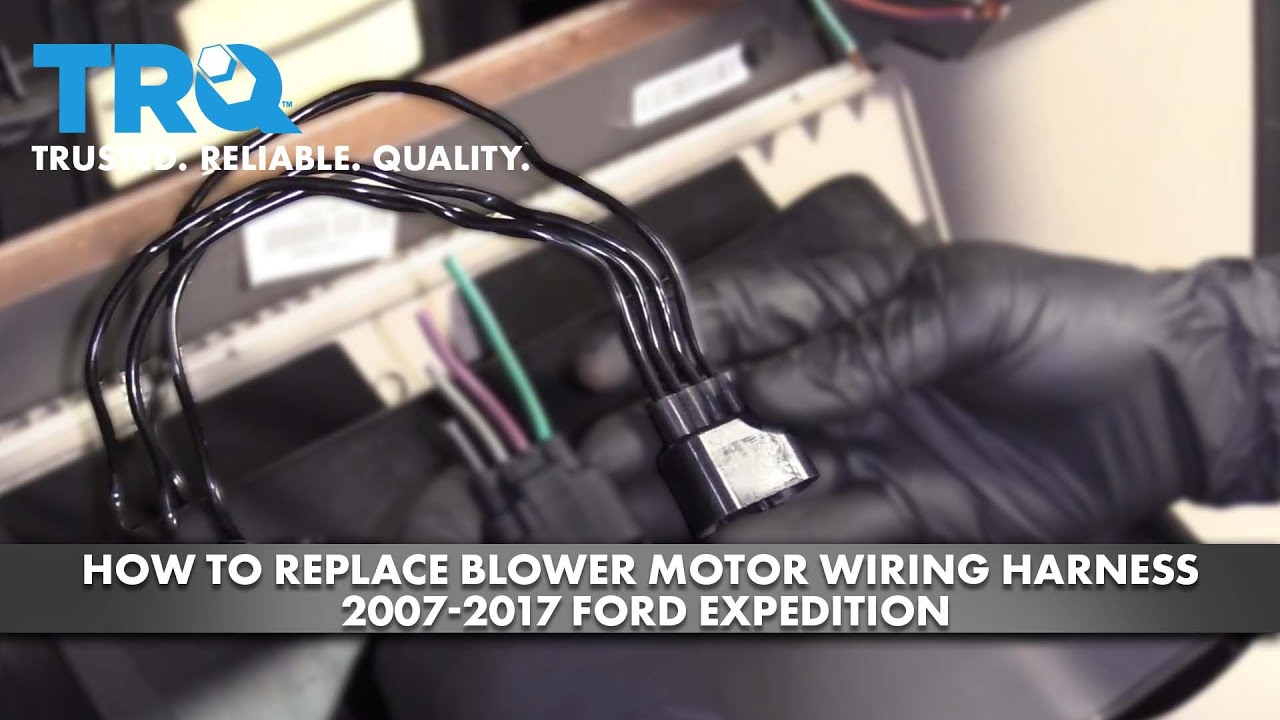
However, check it anyway—it’s a cheap/common failure on these trucks (located behind glovebox near blower). Inspect the connector for melting/burning, a very common issue.
Most Likely Culprits (Heat-Related)
1. AC Pressure Switches or Cycling Switch (Low/High Side): These can be temperature-sensitive. When hot-soaked, pressures might read oddly (e.g., low pressure switch opens to protect compressor), preventing AC engagement and sometimes blower in AC mode. Common on these Fords. Jumping the low-pressure switch (on accumulator) is a quick test—if AC/blower then works, replace the switch.
justanswer.com
2. Evaporator Temperature Sensor (or related thermistor): This monitors evaporator coil temp. If faulty or heat-affected, it can prevent compressor clutch engagement (and tie into blower logic) to avoid freezing. Heat-soak could throw off its readings.
expeditionforum.com
3. AC Compressor Clutch Relay or Wiring: Relays can stick or have heat-sensitive contacts/coils. Power/ground issues that appear when hot. The WOT (Wide Open Throttle) relay or AC clutch relay in the underhood box is worth swapping/testing.
ford-trucks.com
4. Blower Motor Itself or Power Feed: Rare, but a failing motor can draw excessive current when hot (bearings seize more), tripping protection or blowing a fuse intermittently. Less likely since heater works.
5. HVAC Control Head / Module or Wiring: Less common, but connections or internal components can act up when hot. Vacuum lines (for mode doors on these models) can leak more when hot/expanded.
go-parts.com
6. Ambient Temperature Sensor or PCM Input: The PCM controls AC enable based on various sensors. Heat-soak affecting an underhood sensor could disable AC request.
dot.report
Low refrigerant is possible but less likely (should affect consistently or show other signs; garage test helps rule it out somewhat).
Recommended Diagnostic Steps (Start Simple/Cheap)
• Check fuses/relays first (AC clutch, blower, HVAC). Swap AC relay with a similar one.
• Test blower directly: Access blower (passenger footwell, remove panel). Apply 12V power to pins when issue occurs—if it spins, problem is upstream (resistor, switch, control).
• Scan for codes: Use an OBD2 scanner (even basic) for HVAC/PCM codes like blower control or AC-related.
• Pressure switches test: Locate low-pressure switch on accumulator (passenger side firewall area). Unplug and jumper terminals—see if AC engages immediately when hot-soaked.
justanswer.com
• Inspect connections: Look for corroded/melted plugs at blower resistor, motor, relays, and underhood.
• Monitor voltages: With key on, check power at blower connector and AC clutch when problem is present.
If you’re not comfortable with electrical testing, a shop with HVAC gauges and a scan tool can diagnose quickly (pressures, sensor readings).
Parts to consider (inexpensive starters): Blower resistor + pigtail, AC pressure switches, relays. Blower motor if it tests bad.
This is a classic intermittent heat-related failure on these vehicles—start with the switches/relays and resistor inspection. Let me know what you find or more details (e.g., does blower work on any setting in AC mode when hot? Any noises/smells?), and I can narrow it further. Good luck