Good article from 2015, however it is amazing that none of the car manufacturers have published even that simplistic a test in non-real world conditions (no air conditioning on-we are in the Deep South as is much of the US population-get real). The article also ignores what happens at 50K (or 75K or whatever point) that the restart electronics and computer control gets buggy and has a slower reaction, or the engine has hard to start issues.
When you are in an emergency intersection evacuation situation and the restart is slow to respond, are you left with just looking death in the eye with your last thought looking around at your family in the vehicle wondering why was I such a sucker? Never in my memory has such a major potential vehicle safety feature been so neglected on a public review basis.
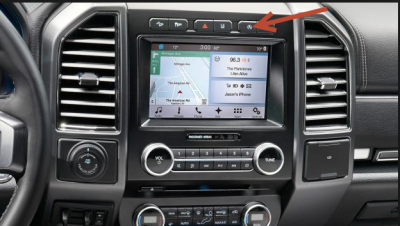
Also, a very few of the Auto magazine vehicle testers seem to have been allowed to comment on any negative concerns (or seemingly even to mention the feature in the vehicle), as a frequent reader the obvious silence of the critics to me smells of withholding manufacturer ad spending or? In the past, the mags would have been in a fight to do long term, harsh, real world testing of the STOP/START feature and now they, for whatever reason, are not doing their duty to provide a thorough consumer based review with a full Technical analysis. It is a puzzle and a real letdown that they would forgo their responsibility as journalists for a few pieces of silver. I repeatedly asked the dealers I was negotiating with for any technical testing documentation they had been supplied to back up their wimpy "trust us" marketing presentations and none of them had anything!
As a purchaser of many vehicles over my lifetime, including some jewels sold with much reassurance like GM 350 V8 diesels, I admit fully to being skeptical of any auto accessory that is new generational, can impact operational safety over time, or contributes to increasing maintenance costs over time.
Of course, at some point the probable lawsuits (if my concerns prove correct) will make the billions spend on ignition switch failures seem trivial, but for now the intelligent auto consumer base will be left with jackleg work arounds on $80K vehicles.






 If you can hear the shot and duck, he missed.


